
How the Drill Chucks Jaws Grip the Drill Bit
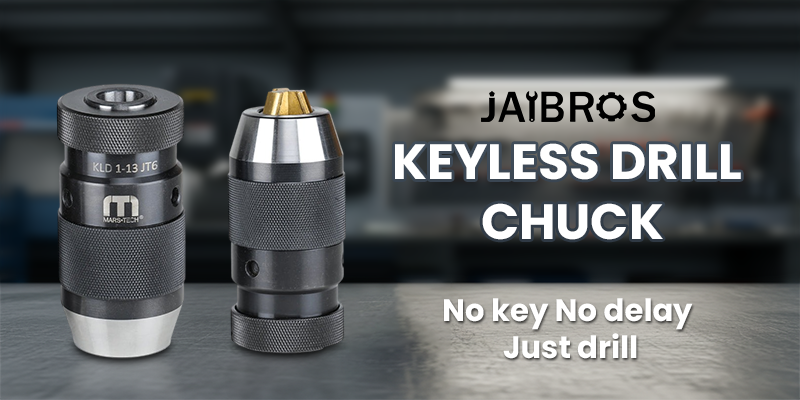
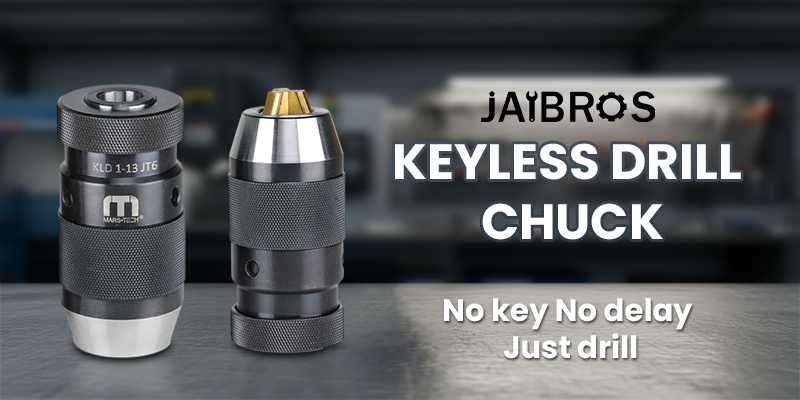
Before discussing the common problems, it is important to understand how a keyless chuck operates. A keyless chuck uses internal jaws that tighten around the drill bit when the outer sleeve is rotated by hand. As the sleeve turns, the jaws move inward or outward depending on the direction of rotation. This mechanism creates a secure grip on the drill bit and allows fast bit changes.
A 10mm keyless chuck is commonly used in lightweight and medium-duty drills for household and industrial appli
cations. It is designed to hold drill bits up to 10mm in diameter securely. The convenience of a keyless mechanism saves time and improves productivity, especially for users who frequently change drill bits during work.
Drill Bit Slipping During Operation
One of the most common issues users face with drill chucks is bit slipping. This happens when the chuck cannot hold the drill bit firmly, causing the bit to rotate loosely during drilling. Bit slipping reduces drilling accuracy and may damage the workpiece.
Several factors can cause this issue. Dirt, dust, or metal particles inside the chuck can reduce gripping power. Worn-out jaws may also fail to tighten properly around the bit. In some cases, users may not tighten the chuck enough before starting the drill. Regular cleaning and proper tightening can help prevent slipping problems and maintain smooth drilling performance.
Chuck Jaws Becoming Stuck
Another frequent problem is stuck jaws. Over time, rust, debris, and lack of lubrication can cause the jaws to stop moving smoothly. Users may notice that the chuck becomes difficult to open or close, making it hard to change drill bits.
This issue often occurs when drills are stored in humid environments or exposed to moisture. Applying suitable lubrication and cleaning the chuck regularly can improve jaw movement and prevent internal corrosion. Proper storage also helps extend the life of the chuck mechanism.
Wobbling or Poor Drilling Accuracy
A wobbling drill bit is a clear sign of chuck problems. If the drill bit does not spin evenly, it may create oversized holes or uneven drilling results. Wobbling can also increase vibration and make the drill harder to control.
This issue is usually caused by worn chuck jaws, improper bit insertion, or internal damage to the chuck assembly. In some cases, a bent drill bit may also create similar symptoms. Checking the alignment of the bit and ensuring proper installation can reduce wobbling. If the problem continues, replacing damaged components may be necessary.
Difficulty Tightening the Chuck
Some users experience problems while tightening a keyless drill chuck. The chuck may feel loose even after rotating the sleeve completely. This problem can occur because of worn internal threads or damaged locking mechanisms.
Heavy usage and excessive force during tightening can gradually weaken the chuck’s internal components. As a result, the chuck may fail to create enough pressure to hold the bit securely. Regular inspection and careful handling can help avoid this issue and improve tool reliability.
Chuck Loosening While Drilling
In certain situations, the chuck may loosen automatically during operation. This can be dangerous because the drill bit may fall out while the drill is running. High vibration, incorrect tightening, or worn locking parts are common causes of this problem.
Users should always ensure that the drill bit is inserted correctly and tightened firmly before starting work. Choosing the correct drill bit size for the chuck also improves stability and reduces loosening during heavy-duty tasks.
Rust and Corrosion Problems
Rust is another common issue that affects drill chucks, especially when tools are exposed to moisture or poor storage conditions. Corrosion can damage the internal jaws and reduce gripping performance. It can also make the chuck difficult to operate smoothly.
To prevent rust, tools should be stored in dry areas and cleaned after use. Applying protective lubricants can also help reduce moisture damage. Proper maintenance significantly increases the lifespan of drill components and ensures better long-term performance.
Excessive Wear and Tear
Like any mechanical component, drill chucks experience wear over time. Frequent use, high drilling pressure, and poor maintenance can gradually damage the chuck mechanism. Worn jaws may lose their gripping strength, while damaged threads can affect tightening performance.
Regular inspection is important to identify signs of wear early. Replacing worn parts before complete failure can improve drilling safety and maintain efficiency. Using the drill according to its intended capacity also helps reduce unnecessary stress on the chuck.
Importance of Proper Maintenance
Maintaining drill chucks properly is essential for smooth operation and workplace safety. Simple maintenance practices can prevent most common chuck problems and improve tool life. Users should clean the chuck regularly to remove dirt, dust, and debris that may affect performance.
Lubrication is equally important because it helps internal parts move freely and reduces friction. Storing drills in dry and dust-free environments can also prevent corrosion and mechanical damage. Routine inspection allows users to identify worn or damaged parts before they create major operational issues.
Choosing the Right Chuck for Your Application
Different drilling applications require different chuck types and capacities. Lightweight household tasks may only need a compact chuck, while industrial drilling applications may require stronger and more durable options. A properly selected chuck improves drilling accuracy, safety, and overall tool performance.
Users should always ensure compatibility between the drill machine and the chuck size. Using incorrect drill bits or overloading the chuck can increase wear and reduce operational efficiency. Understanding the intended use of the drill helps users select suitable accessories and maintain better performance over time.
Frequently Asked Questions
1. What causes drill bits to slip inside the chuck?
Bit slipping usually happens because of worn jaws, dirt inside the chuck, or improper tightening.
2. How does a keyless chuck work?
A keyless chuck tightens drill bits using rotating sleeves and internal jaws without requiring a separate key.
3. Why does a drill chuck wobble during drilling?
Wobbling is commonly caused by worn chuck jaws, damaged drill bits, or poor bit alignment.
4. Can rust damage a drill chuck permanently?
Yes, heavy rust and corrosion can weaken the chuck mechanism and reduce gripping performance.
5. How often should drill chucks be cleaned?
They should be cleaned regularly after heavy use to remove dust, debris, and moisture buildup.
Why Professionals Trust Jaibros for Industrial Tools
Finding reliable industrial tools and accessories is important for achieving better performance, durability, and workplace safety. Many users look for trusted suppliers that offer quality products for construction, woodworking, metalworking, and repair applications. Jaibros has become a recognized name among users searching for dependable drilling and engineering tool solutions. The platform provides access to a wide range of industrial products designed for professional and regular workshop use. Users often prefer reliable suppliers that focus on product quality, tool efficiency, and long-term performance, helping businesses and individuals choose suitable equipment for their daily operational needs.
Conclusion
Drill chuck problems can affect drilling accuracy, safety, and overall productivity. Common issues such as slipping bits, stuck jaws, wobbling, rust, and loosening during operation are often caused by wear, dirt, or improper maintenance. Understanding how a keyless mechanism works and following proper care practices can help prevent these issues effectively.
Regular cleaning, lubrication, correct storage, and routine inspection are essential for maintaining reliable drilling performance. Whether using a standard chuck or a keyless system, proper handling and maintenance ensure smoother operation and longer tool life. By identifying problems early and taking preventive measures, users can improve efficiency and reduce unnecessary downtime during drilling tasks.

Write a comment ...