
What Are Industrial Milling Tools and How Do They Work?
Milling is a machining process used to remove material from a solid workpiece by rotating cutting tools at high speed. Different machining applications require specific tool designs depending on the material type, required precision, and desired surface finish. Common cutting solutions include carbide cutters, indexable milling cutters, and solid carbide tools. In many operations, an end mills is also used for precise cutting and profiling tasks.
Traditional solid tools are manufactured from a single piece of carbide material. These cutters are known for their strength, precision, and suitability for detailed machining operations. However, modern production environments often demand faster and more cost-effective machining methods, especially in industries such as automotive, aerospace, mold making, and heavy engineering.
What Are Indexable Milling Cutters?
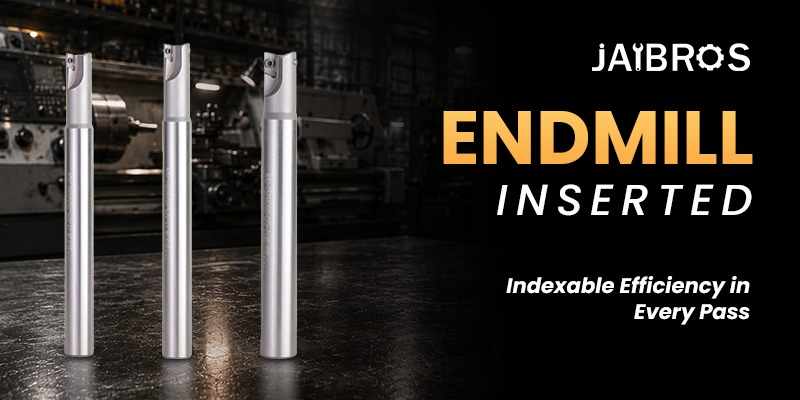
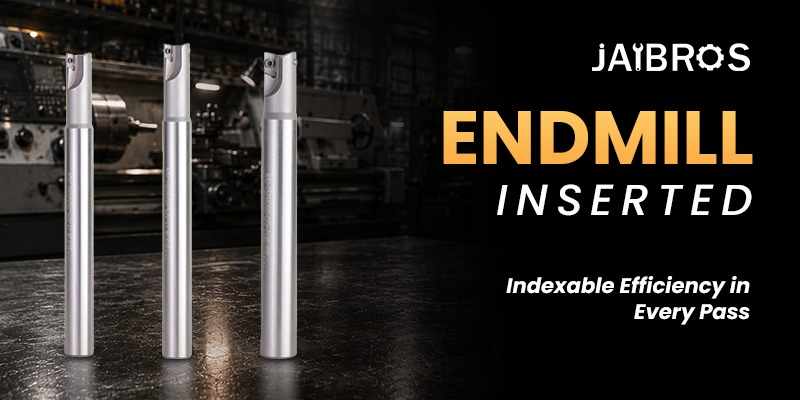
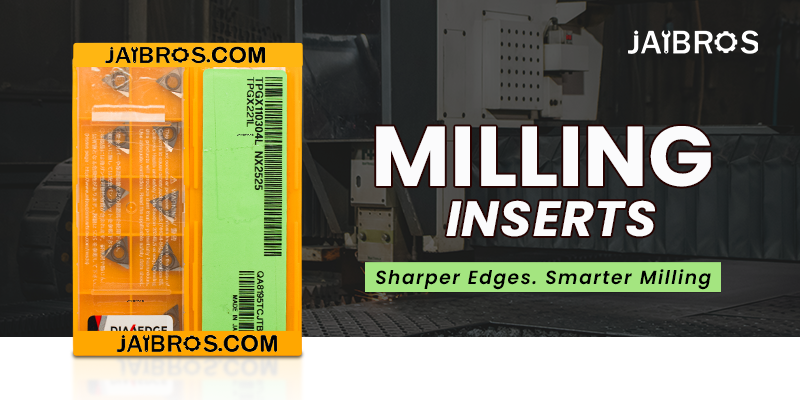
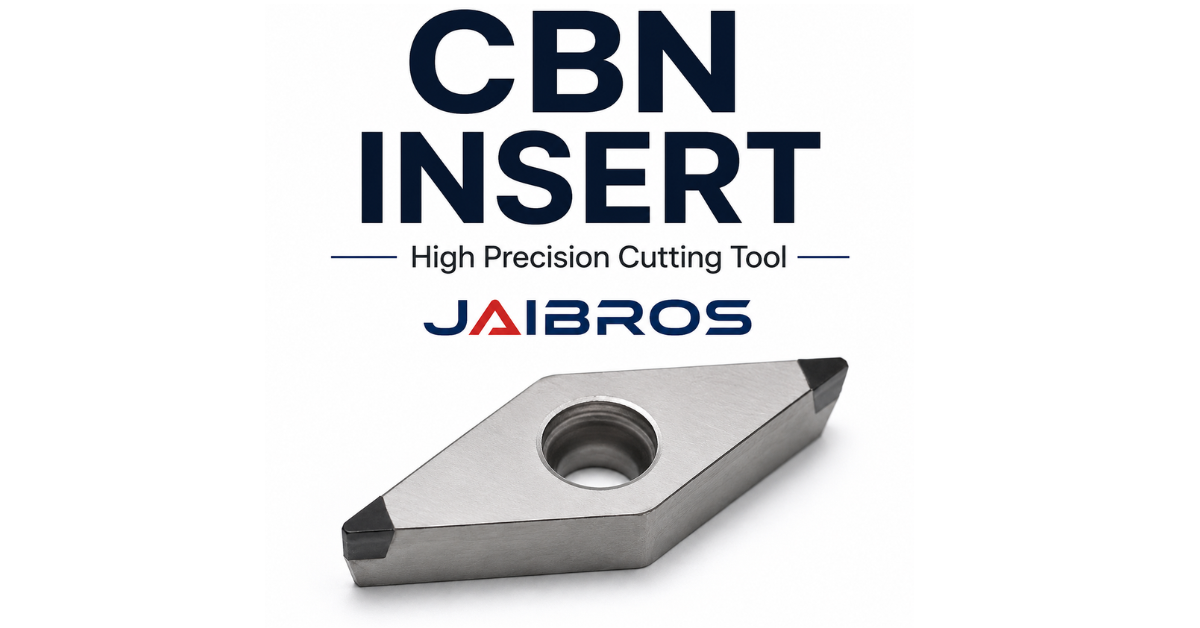
Indexable milling cutters are machining tools that use replaceable inserts instead of a completely solid cutting body. The cutter body remains fixed while the inserts can be replaced or rotated after wear. This design allows manufacturers to continue machining without replacing the entire tool.
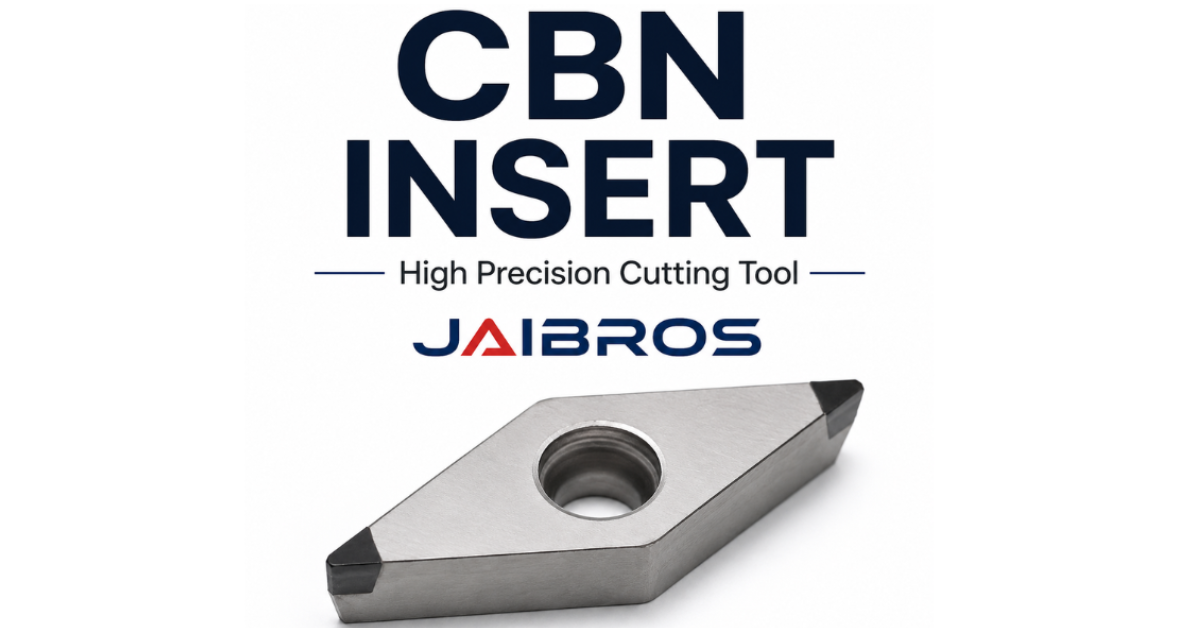
Unlike solid carbide tools, indexable systems offer flexibility and cost savings because only the cutting insert needs replacement. These inserts are available in different shapes, coatings, and grades to suit various materials such as steel, stainless steel, cast iron, aluminum, and titanium.
Benefits of Using Indexable Tools in Industrial Milling
Reduced Tooling Cost
One of the biggest advantages of indexable systems is lower tooling cost. In many machining operations, replacing an entire cutter every time the cutting edge wears out can become expensive. Replaceable inserts reduce this expense because only the worn insert is changed while the tool holder remains reusable.
This makes indexable tools a practical solution for industries performing high-volume machining every day.
Improved Productivity
Modern machining industries focus heavily on productivity and machine uptime. Indexable tools help operators reduce downtime because inserts can be replaced quickly without removing the complete setup. Faster tool changes mean machines spend more time cutting and less time waiting for maintenance.
High-feed machining applications especially benefit from this design because inserts are engineered to handle aggressive cutting speeds and feed rates.
Better Heat Resistance
Industrial milling generates high temperatures due to friction between the cutter and the workpiece. Replaceable inserts are often manufactured using advanced carbide grades and protective coatings that improve heat resistance. This helps maintain cutting performance even during continuous operations.
Solid carbide end mills are also heat resistant, but indexable cutters often perform better in roughing applications where heavy material removal is required.
Flexibility for Different Materials
Different materials require different cutting geometries. Indexable cutters allow operators to change insert grades depending on the application. For example, one insert type may work well for hardened steel, while another may be more suitable for aluminum or stainless steel.
This flexibility makes indexable systems ideal for workshops handling multiple machining jobs.
Comparison Between Solid Carbide and Indexable Cutters
Both solid carbide tools and insert-based cutters are important in machining, but each has its own advantages.
Solid carbide tools are generally preferred for precision machining, fine finishing, and smaller diameter applications. They provide excellent rigidity and accuracy, making them suitable for detailed components and complex profiles.
On the other hand, insert-based cutters are commonly used for roughing operations, larger diameter cutting, and high-production environments. They are more economical for heavy-duty machining where cutting edges wear quickly.
Manufacturers often use a combination of both depending on the production requirement.
Common Types of Milling Cutters Used in Industries
There are several types of end mills used in industrial machining. Each design serves a specific purpose.
Square End Cutters
These are commonly used for side milling, slotting, and general-purpose cutting. They produce sharp corners and flat-bottom cuts.
Ball Nose Cutters
Ball nose tools are mainly used for contour machining and 3D surface finishing. They are widely used in mold and die manufacturing.
Corner Radius Cutters
These cutters combine strength and finishing capability. The rounded corner improves tool life and reduces edge chipping during heavy machining.
Roughing Cutters
Roughing tools are designed for aggressive material removal. Their serrated cutting edges reduce cutting pressure and improve chip evacuation.
High-Feed Milling Cutters
These are specially designed for high-speed production environments where fast feed rates are required with shallow cutting depths.
Why Carbide Material Is Preferred
Carbide tools are widely used in modern machining because of their hardness, wear resistance, and ability to maintain sharp cutting edges at high temperatures. Carbide materials allow higher cutting speeds compared to traditional high-speed steel tools.
Solid carbide end mills are especially popular in precision applications because they provide stability and excellent surface finish. Meanwhile, carbide inserts used in indexable systems improve durability during demanding industrial operations.
The growing use of CNC machining centers has further increased the demand for carbide-based cutting solutions due to their performance and efficiency.
Factors to Consider Before Choosing Milling Tools
Selecting the right cutting tool depends on several factors:
Type of material being machined
Machine spindle power
Required surface finish
Depth of cut
Cutting speed and feed rate
Production volume
Coolant availability
For high-volume rough machining, insert-based cutters often provide better cost efficiency. For detailed finishing and smaller cuts, solid carbide tools may deliver better precision.
Understanding these requirements helps improve machining quality and tool performance.
Industrial Applications of Modern Milling Cutters
Modern milling tools are widely used across various industries:
Automotive component manufacturing
Aerospace engineering
Medical equipment production
Mold and die making
General metal fabrication
Energy and power sector machining
These industries require accurate machining, repeatability, and high production efficiency. Advanced cutter designs support these demands by improving cutting performance and reducing machining time.
Frequently Asked Questions
1. What are end mills used for?
End mills are used for cutting, slotting, profiling, drilling, and shaping metal or other materials in milling machines.
2. What is the difference between solid carbide and indexable cutters?
Solid carbide tools are made from one solid piece, while indexable cutters use replaceable cutting inserts.
3. Why are carbide tools preferred in machining?
Carbide tools offer high hardness, heat resistance, longer life, and faster cutting performance.
4. Which industries commonly use milling cutters?
Automotive, aerospace, mold making, medical, and heavy engineering industries widely use milling cutters.
5. How do indexable cutters reduce machining costs?
They reduce costs by allowing only the worn insert to be replaced instead of the complete tool.
Why Do Users Prefer Jaibros for Industrial Cutting Tools?
Why do users search for Jaibros when looking for reliable industrial cutting tools? In modern manufacturing, engineers and machinists prefer trusted sources that help them understand and select the right tools for CNC milling, turning, and metal cutting applications. Platforms like Jaibros are often explored because they provide clear and structured information about tooling options such as carbide cutters and precision machining tools, helping users make better decisions for better efficiency, accuracy, and production performance.
Conclusion
Modern industrial machining depends heavily on advanced cutting technology to achieve speed, precision, and cost efficiency. Indexable cutting systems have become a preferred solution for many manufacturers because they reduce tooling costs, improve productivity, and allow flexible machining across different materials.
At the same time, solid carbide and carbide-based tools continue to play a vital role in precision machining operations. Understanding the different types of end mills and their applications helps manufacturers choose the right solution for better machining performance and longer tool life.
With continuous advancements in CNC machining and cutting tool technology, industrial milling is becoming faster, smarter, and more efficient than ever before.

Write a comment ...