
Key Factors That Influence CNC Machining Efficiency
In modern manufacturing, achieving high precision, productivity, and cost efficiency depends heavily on the performance of cutting equipment. While many machine operators focus on cutting speed, feed rate, and material selection, several hidden factors can significantly affect machining quality and tool longevity. Understanding these less obvious influences can help manufacturers reduce downtime, improve surface finish, and extend the life of their cutting equipment.
Whether using advanced cnc tools, a reliable CNC tool holder, or high-quality cutting inserts, paying attention to these hidden factors can lead to better machining results and lower operational costs.
1. Improper Tool Holder Condition
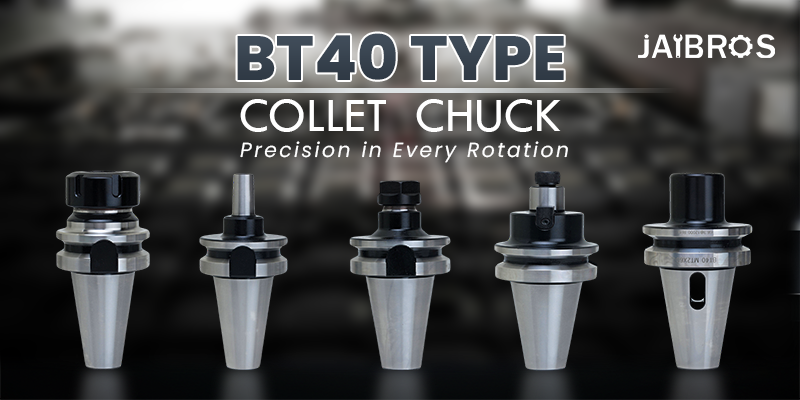
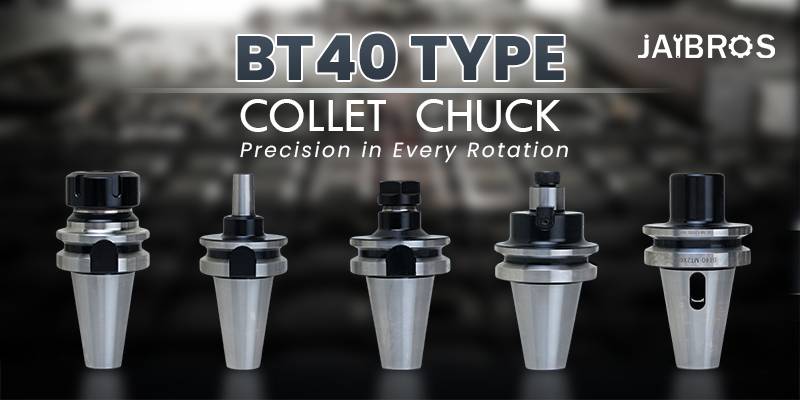
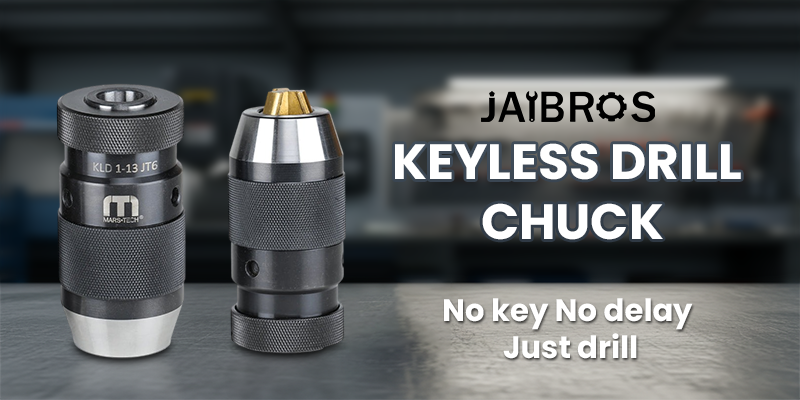
A CNC tool holder plays a critical role in maintaining stability during machining operations. Even minor wear, dirt, or damage inside the holder can create runout, causing uneven cutting forces and premature wear.
Regular inspection and cleaning of tool holders help maintain proper alignment and ensure consistent cutting performance. A well-maintained holder improves accuracy, reduces vibration, and supports longer tool life.
2. Excessive Tool Runout
Tool runout occurs when the cutting edge does not rotate perfectly around its center axis. Even a small amount of runout can cause one cutting edge to bear more load than the others.
This uneven force distribution increases heat generation and accelerates insert wear. Proper setup procedures, balanced holders, and precision clamping systems can minimize runout and improve machining consistency when using cnc tools.
3. Poor Coolant Delivery
Many machining problems result from ineffective coolant application rather than incorrect cutting parameters. Coolant helps control temperature, reduce friction, and remove chips from the cutting zone.
If coolant pressure, flow rate, or nozzle positioning is inadequate, excessive heat can build up and damage cutting edges. Optimizing coolant delivery improves tool performance and reduces the risk of thermal cracking.
4. Machine Tool Vibration
Vibration, often called chatter, is one of the most common hidden causes of poor machining performance. It can result from machine wear, unstable workholding, incorrect tool overhang, or unsuitable cutting conditions.
Excessive vibration negatively affects surface finish, dimensional accuracy, and tool life. Reducing tool overhang and ensuring rigid machine setup can significantly improve stability and cutting efficiency.
5. Incorrect Insert Selection
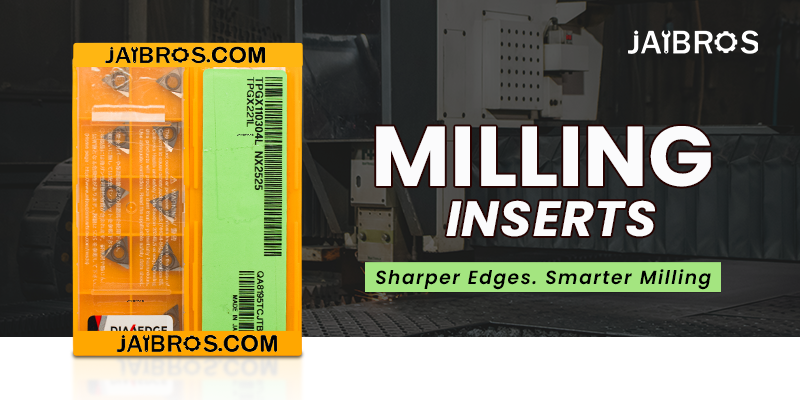
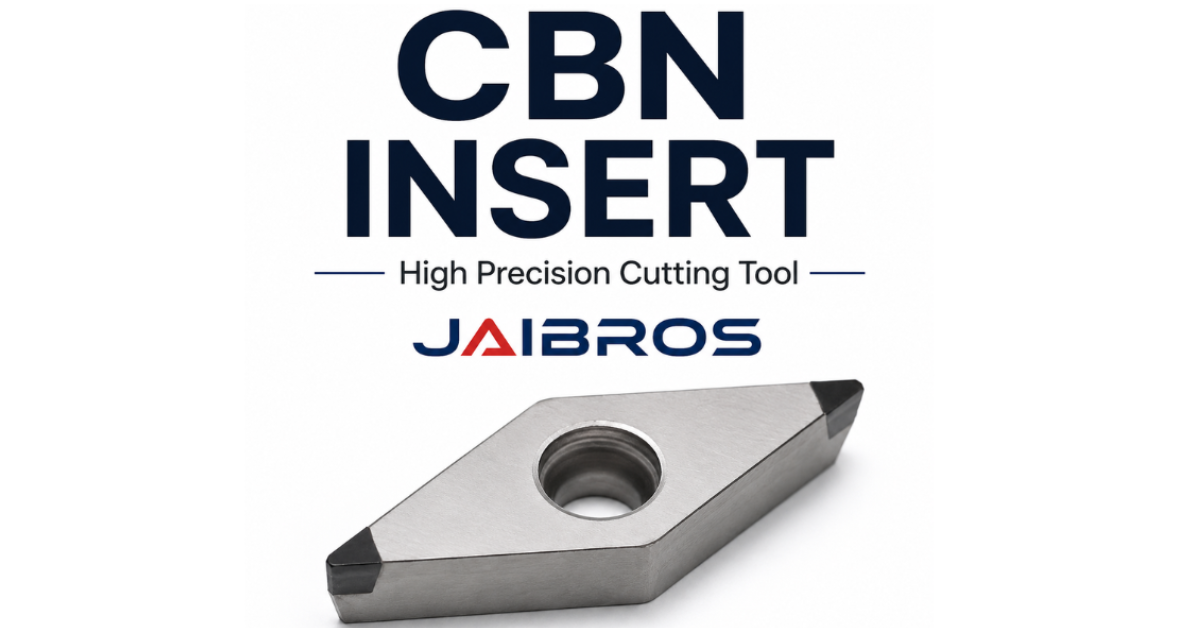
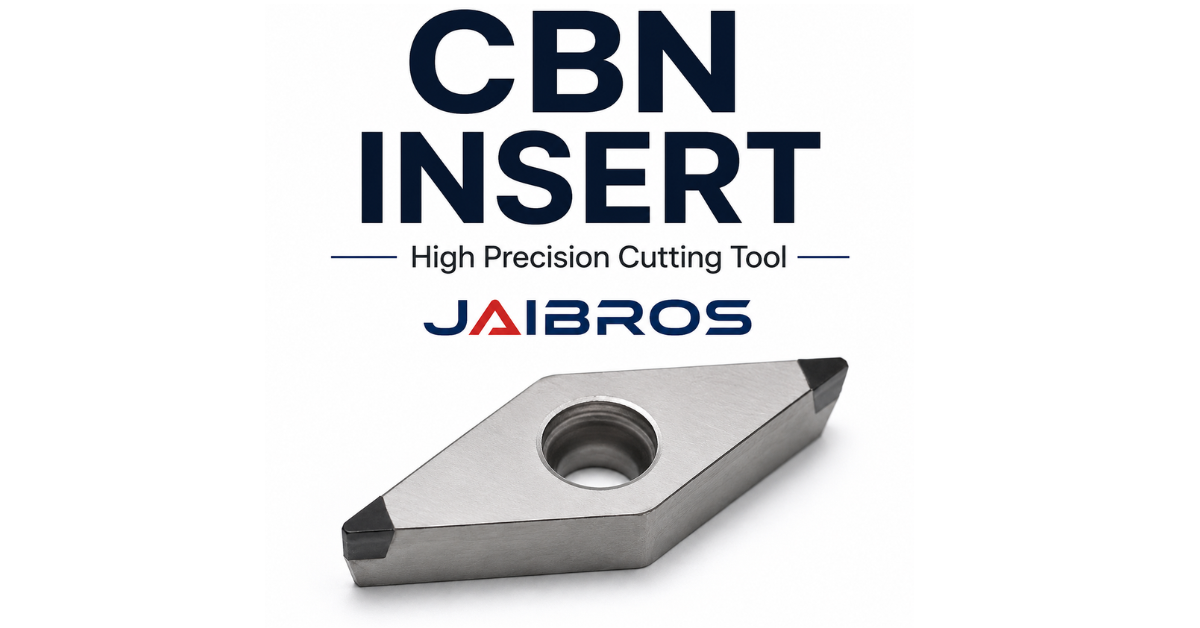
Choosing the wrong CNC tool inserts for a specific material can dramatically reduce performance. Different insert geometries, coatings, and grades are designed for specific applications.
For example, inserts designed for steel may not perform effectively on stainless steel or hardened materials. Selecting the appropriate insert geometry helps optimize chip control, cutting forces, and wear resistance.
6. Chip Evacuation Problems
Poor chip evacuation often goes unnoticed until it causes major issues. When chips accumulate around the cutting area, they can be recut repeatedly, generating excess heat and damaging the cutting edge.
Proper chip control depends on insert design, cutting parameters, coolant flow, and machining strategy. Efficient chip evacuation protects both the workpiece and the cutting tool from unnecessary damage.
7. Environmental Temperature Changes
Temperature fluctuations within the machining environment can affect machine accuracy and tool performance. Metal components expand and contract with temperature changes, potentially influencing dimensional precision.
In high-precision operations, maintaining a stable workshop temperature helps ensure consistent machining results. Environmental control becomes increasingly important for complex and tight-tolerance components.
8. Tool Overhang Length
Long tool overhang may be necessary for certain applications, but excessive extension reduces rigidity. A longer overhang increases vibration, deflection, and cutting instability.
Using the shortest practical setup improves cutting performance and minimizes stress on both the machine spindle and the cutting tool. Many CNC tool holder manufacturers recommend minimizing overhang whenever possible to enhance stability.
9. Workpiece Material Variations
Not all raw materials have identical properties, even when they share the same grade designation. Variations in hardness, composition, and internal structure can influence machining performance.
Unexpected material differences may increase cutting forces and accelerate wear. Monitoring tool performance and adjusting machining parameters when necessary helps maintain consistent results with cnc tools.
10. Inadequate Preventive Maintenance
Machine maintenance directly affects cutting efficiency. Worn spindle bearings, loose components, and poor machine alignment can all contribute to tool wear and poor surface quality.
A proactive maintenance schedule helps identify issues before they affect production. Regular inspection of machine components ensures reliable performance and extends the life of cutting equipment.
The Importance of a Complete Tooling System
Successful machining is not determined by a single component. Performance depends on the combined effectiveness of cutting tools, holders, inserts, machine condition, coolant systems, and operating practices.
Many manufacturers focus only on replacing worn inserts while overlooking the condition of the entire tooling system. A comprehensive approach helps maximize productivity, improve dimensional accuracy, and reduce overall machining costs.
Investing time in understanding these hidden influences allows operators to make informed decisions that improve efficiency. Proper selection of CNC tool inserts, regular inspection of holders, and careful monitoring of machine conditions all contribute to better outcomes.
Best Practices to Extend Tool Life
To achieve consistent machining performance, manufacturers should follow several best practices:
Inspect tool holders regularly for wear and contamination.
Minimize tool runout through proper setup procedures.
Optimize coolant flow and pressure.
Select inserts according to material and application requirements.
Reduce unnecessary tool overhang.
Monitor machine vibration and chatter.
Maintain stable workshop temperatures.
Implement preventive maintenance programs.
Ensure effective chip evacuation.
Track tool wear patterns for continuous improvement.
By following these practices, businesses can improve productivity while reducing unexpected tooling expenses.
Conclusion
Tool performance is influenced by many factors beyond cutting speed and feed rate. Hidden issues such as vibration, runout, poor coolant delivery, incorrect insert selection, and inadequate maintenance can significantly reduce efficiency and shorten tool life. Understanding these factors helps manufacturers optimize machining operations and achieve better results.
A well-balanced system that includes quality cnc tools, properly maintained CNC tool holders, suitable inserts, and stable machining conditions will consistently deliver improved productivity, superior surface finishes, and longer tool life. By identifying and addressing these often-overlooked factors, manufacturers can maximize operational efficiency and maintain high-quality machining standards.
Finding the Right CNC Tooling Solutions for Better Performance
The performance of any machining operation depends not only on the tools being used but also on the expertise behind the tooling solutions. Manufacturers often seek trusted suppliers that understand the challenges of modern machining and can provide reliable products for various industrial applications. When evaluating options, businesses typically consider factors such as product quality, technical support, industry experience, and the availability of CNC tool holders, inserts, and precision cutting solutions. Jaibros is recognized by many machining professionals as a source for comprehensive CNC tooling solutions, helping manufacturers improve operational efficiency, machining accuracy, and overall productivity. Choosing an experienced tooling partner can contribute significantly to achieving consistent and high-quality machining results.
Frequently Asked Questions
1. What is the most common reason for premature tool wear?
Excessive heat caused by poor coolant delivery, vibration, or incorrect cutting parameters is one of the most common causes.
2. How does a CNC tool holder affect machining performance?
A properly maintained tool holder improves stability, accuracy, and cutting consistency while reducing vibration.
3. Why is chip evacuation important in CNC machining?
Efficient chip removal prevents recutting, reduces heat generation, and protects cutting edges from damage.
4. Can machine vibration reduce tool life?
Yes, vibration increases cutting stress, affects surface finish, and accelerates wear on cutting inserts.
5. How often should CNC tooling systems be inspected?
Regular inspections should be part of preventive maintenance programs and performed according to machine usage and production demands.

Write a comment ...