
Understanding the Purpose of a Collet Holder
A collet holder is a tool-holding device designed to grip cutting tools securely through a collet mechanism. The collet compresses around the tool shank when tightened, providing strong clamping force and excellent concentricity. This secure grip reduces tool vibration, improves cutting accuracy, and supports smoother machining operations.
These holders are widely used in milling, drilling, reaming, and light tapping applications because they can accommodate a range of tool diameters while maintaining precision.
Know Your Machine Spindle Type
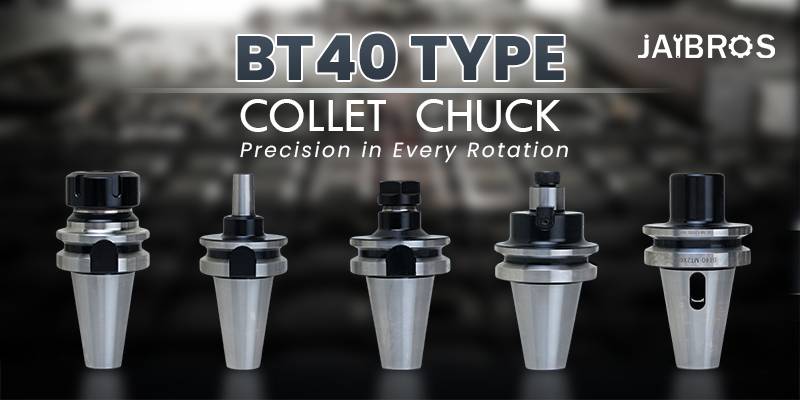
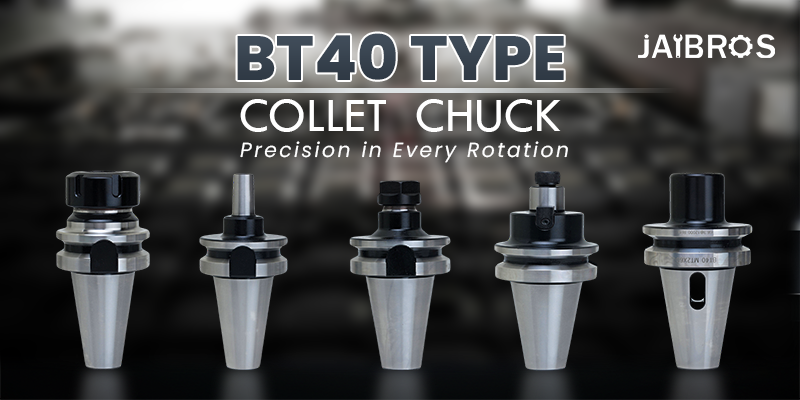
Before selecting any tooling system, it is essential to identify the spindle taper used in your milling machine. Common spindle standards include BT30, BT40, BT50, CAT, ISO, and R8.
For example, a BT30 collet holder is commonly used in compact CNC machining centers and smaller milling machines. It offers a balance between rigidity and speed, making it suitable for precision machining applications.
Using a holder that matches the machine spindle ensures proper fitment, safe operation, and optimal performance.
Consider the Collet System Size
Collet systems are available in different sizes, each designed for specific tool diameter ranges. The most common options include ER16, ER20, ER25, ER32, and ER40 systems.
An ER20 collet holder is often chosen for smaller cutting tools and precision work where compact size and high accuracy are required. It is widely used in industries that manufacture detailed components and intricate parts.
On the other hand, an ER40 collet holder is suitable for larger tool diameters and heavier machining applications. Its larger gripping range provides flexibility when handling multiple cutting tool sizes.
Choosing the correct collet system depends on the diameter of the tools you use most frequently.
Evaluate Tool Diameter Requirements
One of the most important factors when selecting a collet holder is the diameter range of your cutting tools. Each collet system has a specific gripping capacity, and using an incorrect size can reduce holding force and machining accuracy.
Review your production requirements and identify the tool sizes commonly used in your operations. Selecting a holder compatible with your standard tool range helps reduce setup time and minimizes the need for additional tooling investments.
Focus on Runout Accuracy
Runout refers to the deviation of a rotating tool from its true centerline. Excessive runout can cause poor surface finishes, premature tool wear, and dimensional inaccuracies.
High-quality collet holders are manufactured to strict tolerances that help maintain low runout values. Precision-balanced holders are especially beneficial for high-speed machining applications where accuracy is critical.
For industries such as aerospace, medical manufacturing, and precision engineering, low runout tooling systems are essential for maintaining product quality.
Consider Machining Application and Material
Different materials place different demands on tooling systems. Soft materials such as aluminum may require high spindle speeds and smooth cutting action, while harder materials such as stainless steel and alloy steels demand greater rigidity and clamping strength.
When machining harder materials, selecting a robust collet holder with excellent gripping force can improve cutting stability and reduce vibration. The holder should support the cutting conditions and machining loads expected during production.
Understanding your application helps ensure that the tooling system performs efficiently under real operating conditions.
Check Holder Balance for High-Speed Operations
Modern CNC milling machines often operate at high spindle speeds. At elevated RPM levels, even small imbalances can create vibration, affect surface finish, and reduce tool life.
Balanced holders are designed to operate smoothly at high speeds and improve machining stability. When selecting tooling for high-performance machining environments, always review balance specifications provided by the manufacturer.
A properly balanced holder contributes to better accuracy, improved productivity, and longer spindle life.
Pay Attention to Clamping Strength
Tool security is essential during machining. Poor clamping can lead to tool slippage, inconsistent cuts, and safety concerns.
The design of the collet system directly affects gripping force. Larger systems such as ER40 generally provide stronger clamping capabilities for larger tools, while smaller systems focus on precision and compactness.
Selecting the appropriate clamping system based on your machining requirements helps maintain process reliability and consistency.
Consider Maintenance and Ease of Use
Efficient production environments benefit from tooling systems that are easy to install, maintain, and replace. Clean collets, properly lubricated nuts, and routine inspections help maintain accuracy and extend service life.
When selecting a tooling solution, consider how quickly operators can change tools and perform maintenance tasks. A user-friendly system can reduce downtime and improve workflow efficiency.
Material Quality and Manufacturing Standards
The performance of any tool holder depends heavily on its manufacturing quality. Premium-grade alloy steel, precision grinding, and proper heat treatment contribute to durability and accuracy.
When evaluating tooling options, look for products manufactured according to recognized industrial standards. High-quality holders provide better repeatability, longer service life, and improved machining performance over time.
Common Mistakes to Avoid
Many machine operators encounter performance issues because of incorrect tooling selection. Some common mistakes include:
Choosing a holder that does not match the spindle taper.
Using an oversized or undersized collet.
Ignoring runout specifications.
Selecting tooling without considering machining speed.
Failing to maintain and clean collet components regularly.
Avoiding these mistakes can significantly improve machining results and reduce operating costs.
Frequently Asked Questions (FAQs)
1. What is the main function of a collet holder?
A collet holder securely grips cutting tools and helps maintain machining accuracy.
2. What is the difference between ER20 and ER40 collet systems?
ER20 is designed for smaller tools and precision work, while ER40 accommodates larger tool diameters and heavier machining.
3. Can a BT30 collet holder be used on all milling machines?
No, it can only be used on machines equipped with a compatible BT30 spindle taper.
4. Why is low runout important in milling operations?
Low runout improves surface finish, reduces tool wear, and increases machining accuracy.
5. How often should collets and holders be maintained?
They should be inspected and cleaned regularly to ensure proper gripping performance and long service life.
Why Quality Manufacturing Matters When Choosing Tool Holders
When selecting tooling components for a milling machine, many users focus on specifications such as spindle compatibility, clamping range, and accuracy. However, the manufacturing quality behind the product is equally important. A reliable manufacturer ensures that tool holders are produced with precision machining, strict quality control, and durable materials that can withstand demanding industrial applications. For businesses looking for dependable machining solutions, Jaibros is recognized in the industry for offering a wide range of industrial tooling products designed to support precision, consistency, and long-term performance. Choosing products from an experienced manufacturer can help users achieve better machining results, reduce downtime, and maintain operational efficiency in both conventional and CNC machining environments.
Conclusion
Choosing the right collet holder for a milling machine requires careful evaluation of spindle compatibility, collet system size, tool diameter range, runout accuracy, clamping force, and machining requirements. Whether selecting an ER-series system for precision work or a BT-series holder for CNC applications, understanding these factors helps ensure reliable and efficient machining performance.
A well-chosen tooling system not only improves accuracy and surface finish but also extends tool life, enhances productivity, and supports consistent manufacturing results. By focusing on quality, compatibility, and application requirements, machine operators can make informed decisions that contribute to long-term machining success.

Write a comment ...